Sloane Square House Removals Tips for Narrow Streets
Moving house around Sloane Square can feel like a puzzle with a deadline. The streets are elegant, busy, and often tighter than people expect, which means a standard moving plan can fall apart fast if you do not prepare properly. These Sloane Square house removals tips for narrow streets are designed to help you avoid the usual headaches: blocked access, delayed loading, awkward furniture manoeuvres, and that sinking feeling when a van simply cannot get where you thought it would. If you are moving in or out of a period property, a mews, a basement flat, or a top-floor apartment, a careful plan matters more than ever.
Truth be told, most moving problems in central London are not about the lift of a sofa or the weight of a wardrobe. They start outside the front door. One bad parking choice, one oversized vehicle, one missed time window, and the whole day can wobble. This guide walks you through what works, what to avoid, and how to make a narrow-street move feel organised rather than chaotic.
Where relevant, many people also find it helpful to review a provider's approach to home moves, man with van support, and packing and unpacking services before they book. The right service mix can save a lot of lifting, time, and stress. And yes, a bit of calm helps too.
Table of Contents
- Why Sloane Square house removals tips for narrow streets Matters
- How Sloane Square house removals tips for narrow streets Works
- Key Benefits and Practical Advantages
- Who This Is For and When It Makes Sense
- Step-by-Step Guidance
- Expert Tips for Better Results
- Common Mistakes to Avoid
- Tools, Resources and Recommendations
- Law, Compliance, Standards, or Best Practice
- Options, Methods, or Comparison Table
- Case Study or Real-World Example
- Practical Checklist
- Conclusion
- Frequently Asked Questions
Why Sloane Square house removals tips for narrow streets Matters
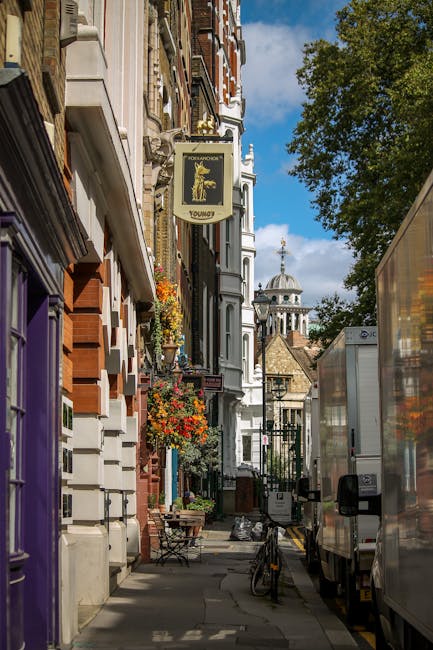
Sloane Square sits in one of London's most characterful, but also most constrained, moving environments. The streets can be narrow, traffic can be unpredictable, and parking near the property is often limited. That makes planning much more than a nice-to-have. It is the difference between a move that starts smoothly and one that turns into a queue of small problems.
Narrow streets change almost every moving decision. Vehicle size becomes important. So does the distance from the van to the front door. Even the order you load items can matter, because if the van cannot park directly outside, you may end up carrying items farther than expected. In a place like this, a move needs to be thought through from kerb to hallway.
There is also the human side of it. People moving in central London are often juggling work, access issues, lease deadlines, cleaning, and children or pets. A move that takes longer than planned can ripple through the rest of the day. One misplaced booking slot, and the whole afternoon feels off. That is why a more deliberate approach makes sense.
Expert summary: In narrow streets, the winning strategy is usually not "more muscle", but better timing, smaller vehicle choice, tighter packing, and a clean loading plan. Simple, but not easy.
If you need a more hands-on removal approach, it can be worth looking at house removalists or a flexible man and van service, especially where access is awkward and the job is too small for a large removal lorry. For some homes, that is the practical sweet spot.
How Sloane Square house removals tips for narrow streets Works
A narrow-street removal works best when you think in stages, not in one big rush. First comes access planning, then packing, then parking and loading, and finally the actual transport. Each stage needs to support the next one. If one part is off, everything else becomes harder.
The first question is always: how will the vehicle reach the property and where will it stop? In a dense London setting, the answer may be "not directly outside the door". That is fine, as long as you know it in advance. Once that is clear, you can decide whether you need a smaller vehicle, extra carrying time, or a two-person team to keep things moving.
Next is access inside the home. Stairwells in older buildings can be narrow, ceilings can be low, and turns can be awkward. You do not want to discover on moving day that the mattress fits everything except the staircase bend. Been there? Plenty of people have. It's very central London, that kind of surprise.
The job also works better when items are prepared for quick movement. Boxes should be sealed properly, furniture should be dismantled where possible, and fragile items should be grouped neatly. If you are moving appliances or bulky furniture, you may want to think about specialist handling too. For example, items like fridges are often easier to manage if you arrange fridge and appliance removal in a way that reduces damage risk and avoids last-minute scrambling.
Finally, there is the question of timing. Many narrow-street moves work better early in the day, before traffic builds and before residents, deliveries, and tradespeople start competing for space. That said, time windows must fit the building and the local environment. A good plan is realistic, not heroic.
Key Benefits and Practical Advantages
When you plan a move properly for narrow streets, the benefits are immediately noticeable. The day feels less reactive. People spend less time wondering where to stand, where to park, and which item should go next. The process becomes calmer, and calmer usually means quicker.
- Less wasted time: With the right vehicle and route plan, you avoid circling the block or double-handling every item.
- Lower damage risk: Careful loading and shorter carries reduce the chance of scrapes on furniture, walls, and doors.
- Better traffic control: Narrow roads reward planning, especially when pedestrians, taxis, and deliveries are all competing for space.
- More predictable costs: Moves that run to time are easier to price and easier to manage.
- Less stress on moving day: Once access is sorted, everything else tends to feel more manageable. A small miracle, honestly.
There is also a confidence benefit. If you have thought through parking, access, and packing sequence, you are less likely to panic when the van arrives and the street looks tighter than it did in the planning stage. That reassurance matters.
For people comparing transport options, it may help to review moving truck and removal truck hire carefully. In narrow streets, bigger is not always better. Sometimes it is just bigger.
Who This Is For and When It Makes Sense
This advice is especially useful if you are moving from a terraced house, a mansion block, a basement flat, a mews property, or anywhere else with tight curb space. It also makes sense if you are moving a family home where the volume of items is high, but access is limited.
You may need these tips if:
- your street has restricted parking or loading pressure;
- the property entrance is on a narrow road or side street;
- the building has stairs, a shared entrance, or limited lift access;
- you are moving large furniture through tight internal turns;
- you have only a short access window on the day;
- you want to avoid expensive delays or repeated trips.
They also help if you are doing part of the move yourself and using professional support for the rest. That hybrid approach can work very well in London. It gives you flexibility without turning the day into a full DIY marathon, which, let's face it, sounds brave until it is 6:40 a.m. and you are carrying a wardrobe down three floors.
If you are still deciding on the level of help you need, browsing pricing and quotes can be a sensible next step. The goal is not to buy the biggest option. It is to choose the right fit for the access conditions you actually have.
Step-by-Step Guidance
Here is a straightforward way to plan a move in Sloane Square streets without losing the plot.
1. Survey the access before booking
Walk the route from the pavement to the front door. Look at width, turning space, steps, bollards, nearby parked cars, and any low-hanging branches or overhanging structures. If you can, note whether a van can stop legally and safely within a sensible carrying distance.
2. Measure the awkward items
Do not guess. Measure sofas, beds, wardrobes, mirrors, and appliances. Compare those measurements with the narrowest doorways, hall bends, and stair turns in the property. A three-minute measurement can save thirty minutes of improvisation.
3. Choose the right vehicle size
In narrow streets, a smaller vehicle or a more manoeuvrable setup is often easier than a large lorry. If your load is split across multiple items and boxes, a well-planned smaller van can be more efficient than forcing a vehicle that simply does not suit the road layout.
4. Pack by sequence, not just by room
Start with the items that need the most care and the ones you will want immediately at the other end. Keep essentials, paperwork, and valuables separate. Label boxes clearly, but not in a way that screams "break into me". A bit of discretion never hurts.
5. Reserve the loading plan in advance
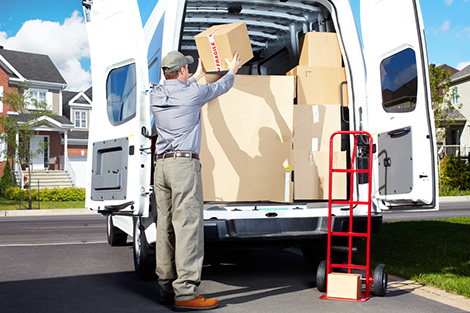
Work out which items go out first. In narrow streets, the best loading sequence is often the one that reduces back-and-forth carrying. Put the heaviest and least fragile items closest to the van door, and the delicate pieces where they will not be crushed.
6. Protect the property
Use floor protection, door protection, and padding where needed. Older homes often have painted walls, narrow cornices, and tight corners that mark easily. A little protection goes a long way.
7. Keep the move moving
Assign one person to direct flow if possible. That might sound obvious, but on a busy London street, too many people doing too many little tasks can create more confusion than help. Someone needs to own the sequence.
8. Allow for the final carry
Even with good parking, you may need to carry items some distance. Build this into your timing. If you finish early, great. If not, at least you are not surprised and muttering under your breath at a van that is exactly where you told it to be.
Expert Tips for Better Results
Small decisions make a big difference in narrow streets. One of the best tips is to reduce the number of loose items on the day. Bags, plant pots, odd-shaped storage boxes, half-disassembled furniture - all of these slow things down. Tidy them up before move day and you will feel the difference almost immediately.
Another useful move is to pack a "first hour" box. Keep tea bags, kettle items, chargers, basic cleaning supplies, toilet paper, and a small toolkit in one easy-to-reach container. It sounds ordinary, but after a long move, ordinary becomes precious.
Try to avoid peak traffic where possible. Not every move can be scheduled perfectly, of course, but even a small shift in timing can make loading and unloading noticeably smoother. The road outside Sloane Square can change character quickly between early morning and mid-morning. Quiet one moment, hectic the next.
It also helps to separate items by fragility and handling needs. A bulky chest of drawers and a framed mirror should not travel the same way, even if they are both "furniture". If you have sensitive items or documents, keep them with you. For securely disposing of confidential papers ahead of a move, some people also arrange confidential shredding so they are not transporting unnecessary clutter.
And here is a slightly unglamorous but very real tip: keep snacks and water within reach. Moves are physically draining, and people make worse decisions when they are hungry. I know, revolutionary stuff.
Common Mistakes to Avoid
The biggest mistake is assuming the street will behave like a suburban driveway. It won't. Narrow London streets are not forgiving of vague plans. If you only book a vehicle size based on what "should" fit, you are inviting trouble.
Another common issue is overpacking boxes. Heavy boxes are harder to carry, harder to stack, and more likely to split at the worst moment. Keep them manageable. Your back will thank you, and so will anyone carrying them down a tight stairwell.
People also underestimate how long loading takes when parking is imperfect. If the van cannot stop right outside, every trip takes longer. A move that looked like two hours in your head can easily become four if access is ignored.
Other mistakes include:
- leaving dismantling until move day;
- failing to measure sofas, mattresses, and wardrobes;
- forgetting to protect floors and bannisters;
- not separating essentials from the main load;
- booking too little help for stairs or long carries;
- assuming traffic and parking will be easy because the map looked fine.
A slightly amusing but true point: maps rarely show your sofa getting stuck at a landing. Real life does. Real life always does.
Tools, Resources and Recommendations
You do not need a warehouse of equipment to move well, but a few sensible tools make the job much easier.
- Measuring tape: For doors, furniture, and stair turns.
- Felt pads and blankets: Helpful for protecting furniture and walls.
- Strong boxes and tape: Basic, but absolutely essential.
- Furniture tools: Screwdrivers, Allen keys, and a bag for fixings.
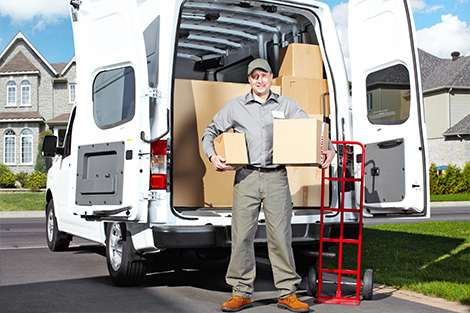
- Straps and trolleys: Useful for safe handling where appropriate.
- Labels and marker pens: To keep boxes organised.
For support with packing, especially if your move includes lots of breakables or an awkward layout, the guidance on packing and unpacking services can help you decide whether to do it yourself or bring in help. There is no shame in choosing the option that saves time and stress.
If the move involves extra items you no longer want, you may need to think about disposal too. For example, bigger items such as mattresses or old sofas are often easiest to sort before the move rather than after. In those cases, mattress and sofa disposal and furniture pick up can be useful pages to review.
Law, Compliance, Standards, or Best Practice
For house removals in central London, the safest approach is to follow local parking rules, building rules, and normal moving-industry best practice. Exact restrictions vary by street and building, so it is wise to check access requirements early rather than assume a van can stop wherever is convenient.
From a practical point of view, that means respecting loading restrictions, avoiding obstruction, and keeping pathways clear for residents and pedestrians. If you are working with a professional mover, they should also have a sensible approach to safety, manual handling, and vehicle loading. You do not need to know every technical term, but you do need confidence that the work will be done carefully.
It is also good practice to ask about insurance and safety arrangements before booking. A reliable operator should be able to explain how they handle breakages, lifting, and access problems in a straightforward way. If that conversation feels vague, take it seriously. Move day is not the time for improvisation with a heavy wardrobe and a narrow staircase.
You may also wish to review a provider's policies on insurance and safety and health and safety policy so you understand how they approach risk. Clear communication here is a sign of a mature operation, not overkill.
Options, Methods, or Comparison Table
Different moves call for different methods. The table below gives a simple comparison for narrow-street removals around Sloane Square.
| Approach | Best for | Strengths | Watch-outs |
|---|---|---|---|
| Small van with careful loading | Compact to medium house moves | Easier access, better manoeuvrability, less street pressure | May need more than one run if the load is large |
| Man and van support | Flexible or lighter moves | Good for short carries and tight streets | Less capacity than a larger removal vehicle |
| Full house removal team | Larger family homes and heavy furniture | More manpower, better for stairs and complex items | Can be harder to position in very tight roads if the vehicle is too large |
| Hybrid move with packing help | Busy households or fragile loads | Less stress, better organisation, smoother unpacking | Costs more than a basic self-pack approach |
In many Sloane Square situations, the best option is not the most obvious one. A well-planned smaller service often works better than a large truck if the street is especially tight. On paper the big vehicle looks efficient. In practice, it can be the wrong shape for the road.
Case Study or Real-World Example
Consider a move from a first-floor flat near Sloane Square into a townhouse a few streets away. The property is beautiful, but the road is narrow and there is limited stopping space. The client has a sofa, a bed frame, several boxes of books, a dining table, and a couple of awkward mirrors. Nothing outrageous. Just enough to make access interesting.
The move works best when the team arrives early, checks the street first, and parks where the vehicle is legal and least disruptive. The sofa is measured in advance, the legs are removed where possible, and the mirrors are wrapped separately. Boxes are labelled by priority, so the first-night essentials come off early. A second person helps guide items around the stair turns inside the new property. Nobody is rushing. Nobody is guessing. Beautifully boring, really.
What made the difference was not brute force. It was sequencing. The team knew which items were bulky, which ones were fragile, and where the loading bottlenecks would happen. That meant fewer pauses, fewer arguments over where to stand, and no nasty surprise when the hallway narrowed near the bend.
This is exactly why planning matters more than enthusiasm in narrow streets. Enthusiasm is lovely. Planning is better.
Practical Checklist
Use this checklist a day or two before the move.
- Measure large furniture and confirm it will fit through doorways and stair turns.
- Check parking and loading access near both addresses.
- Choose a vehicle size that suits the street, not just the load.
- Disassemble furniture where sensible.
- Pack boxes to a manageable weight.
- Label fragile items clearly.
- Keep essentials, keys, chargers, and documents separate.
- Protect floors, corners, and bannisters.
- Confirm arrival time and access details with your mover.
- Set aside items you want disposed of or recycled.
- Review service details, including recycling and sustainability if you are trying to minimise waste.
- Have water, snacks, and cleaning materials ready for the end of the day.
One small note: if you are dealing with extra clutter, it can help to decide early what stays and what goes. If you are unsure what can be removed in a mixed-load cleanout, what can go in a skip may be useful as a general starting point for planning disposal, even if you do not use a skip in the end.
Conclusion
Sloane Square removals are rarely difficult because of one big problem. They are difficult because of lots of little ones: tight roads, limited stopping space, narrow staircases, awkward furniture, and pressure on time. The good news is that every one of those issues can be managed with the right preparation.
If you measure first, pack sensibly, choose the right vehicle, and plan the loading sequence carefully, the move becomes far more predictable. That is the real aim here. Not perfection. Just a move that runs smoothly enough for you to breathe, look around, and realise it was all under control after all.
Get a free quote today and see how much you can save.
And if you are still comparing routes, service levels, or support options, take your time. A thoughtful move is usually a calmer one, and calm is underrated.
Frequently Asked Questions
How do you move house on a narrow street near Sloane Square?
You start with access planning. Check where a van can stop, measure furniture, choose the right vehicle size, and allow extra time for carrying items if the van cannot park directly outside.
What size van is best for narrow streets?
Usually the most manoeuvrable van that can still handle your load safely. Bigger is not always better in central London, especially where parking and turning space are limited.
Should I dismantle furniture before the move?
Yes, where it is practical. Dismantling beds, table legs, and other bulky items makes them easier to carry through narrow halls and stairways.
How far in advance should I plan a Sloane Square house move?
As early as you can. Even a short move benefits from early checks on access, parking, and packing. Leaving it until the last minute tends to create avoidable stress.
What if the van cannot park outside my property?
Then the move needs to be planned around a longer carry. That is normal in some London streets. Build in extra time and make sure the loading route is clear and safe.
Is a man and van service suitable for narrow streets?
Often, yes. A flexible man and van setup can work very well where access is tight and the load is modest or medium-sized.
How can I protect walls and bannisters during the move?
Use padding, careful lifting, and good route planning. Protection matters more in older buildings where tight turns can catch furniture edges.
What should I pack separately for moving day?
Keep keys, documents, chargers, toiletries, snacks, medication, and a change of clothes separate. You will want those items quickly, not buried under three layers of boxes.
Are narrow-street removals more expensive?
They can be, because access issues may require extra time, smaller vehicles, or more handling. The exact cost depends on the property, the load, and the support you need.
How do I know if my sofa will fit?
Measure the sofa and compare it with the tightest doorway, stair bend, and hallway turn. Do not rely on guesswork. Sofas are surprisingly good at becoming stuck at the worst possible angle.
Should I arrange packing help as well as transport?
If you are short on time or have fragile items, yes, it can make the whole process smoother. For many people, professional packing support is what turns a stressful move into a manageable one.
What is the single best tip for Sloane Square house removals?
Plan access first. If you get the street, parking, and vehicle choice right, the rest of the move becomes much easier. Everything else builds on that.